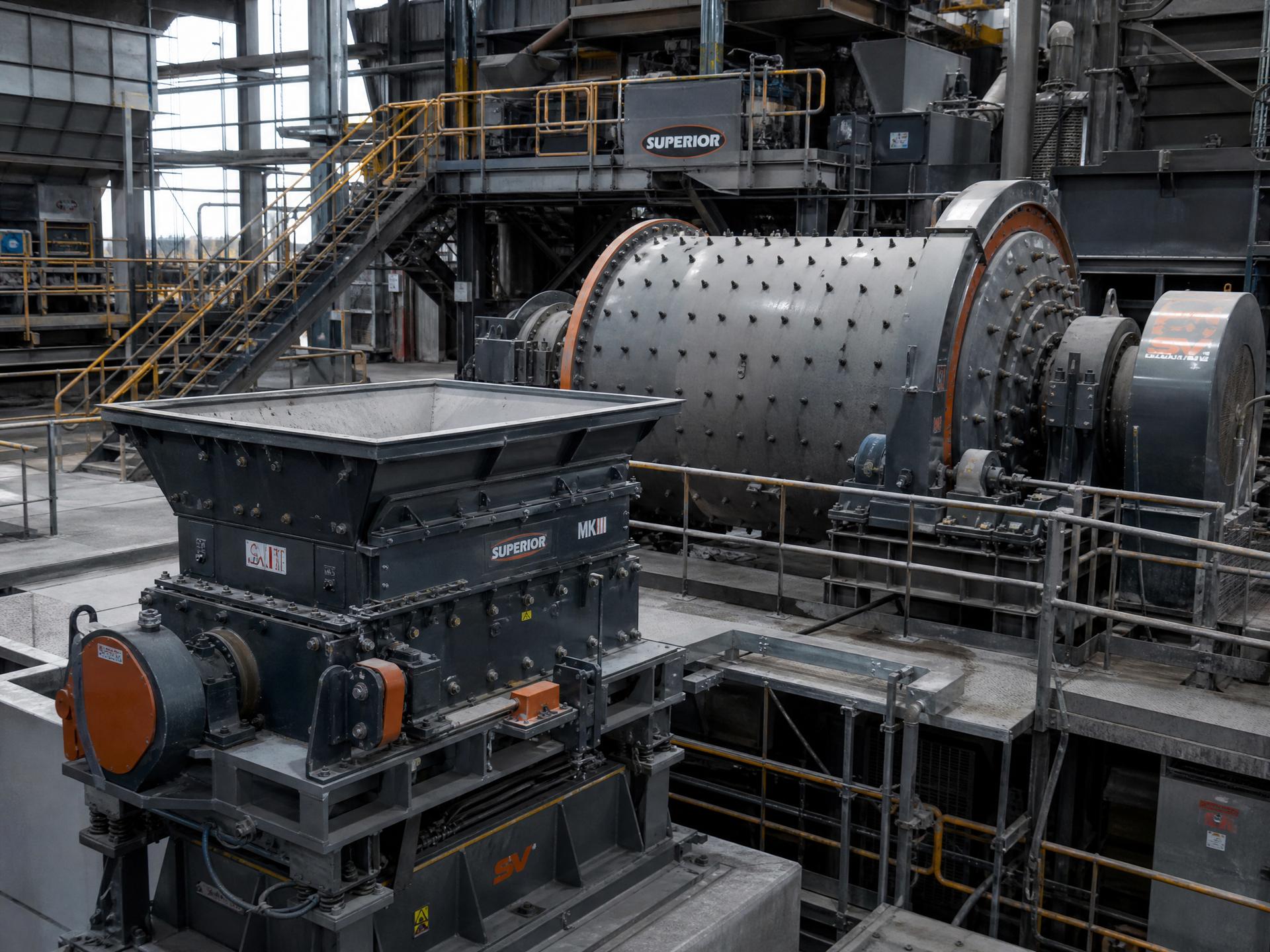

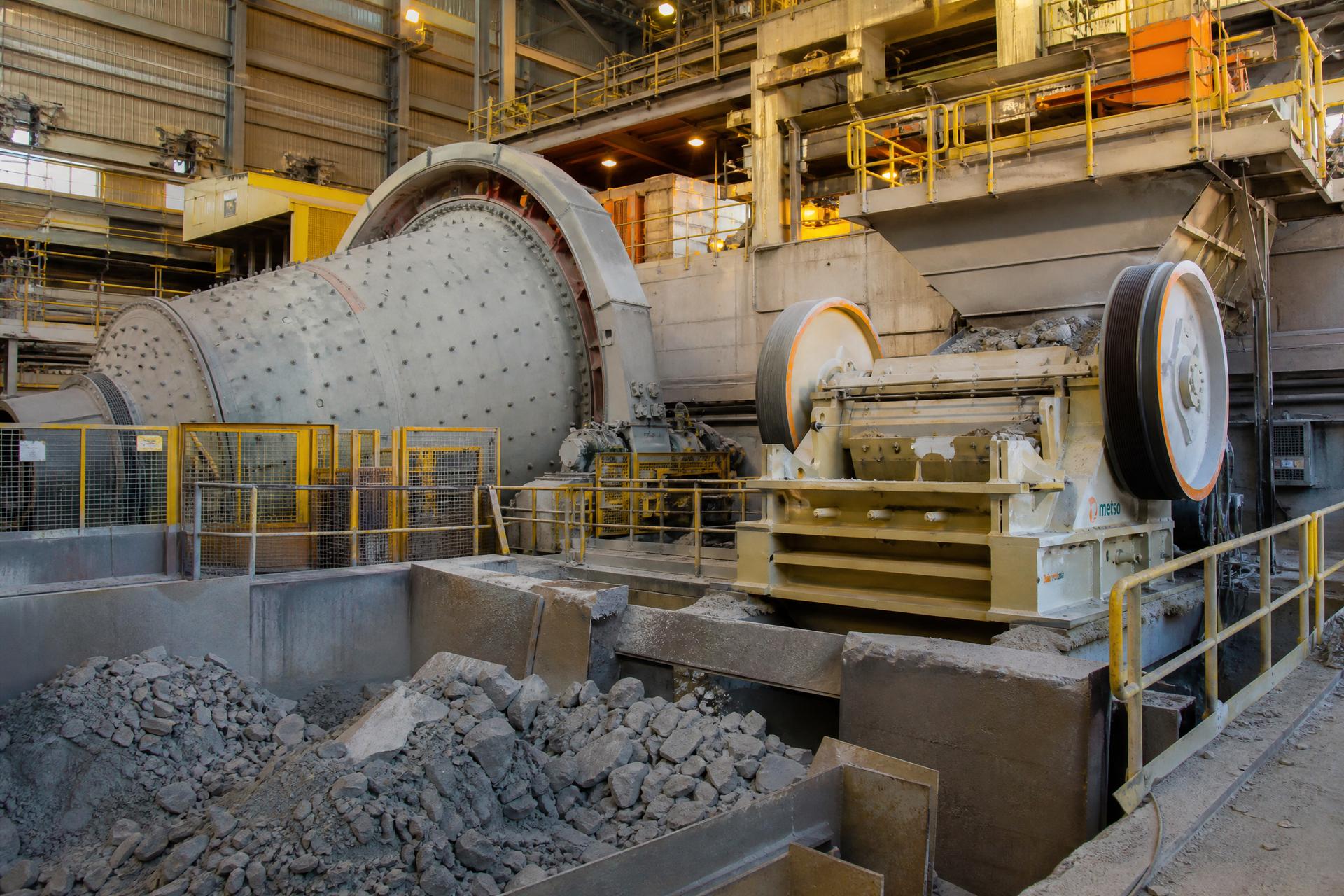
Ball mills are the most energy-intensive unit operation in mineral processing, typically consuming 30–50% of a plant's total electrical energy. Optimizing ball mill performance through liner selection, ball charge management, and operational parameter adjustment can yield throughput improvements of 5–20% with minimal capital investment.
Understanding Ball Mill Mechanics
Ball mill performance is governed by the interaction between the grinding media (steel balls), the mill liner, and the ore. The critical speed (Nc) — the speed at which centrifugal force prevents the charge from cascading — is a key reference point. Most ball mills operate at 70–80% of critical speed for optimal grinding efficiency.
Liner Selection and Design
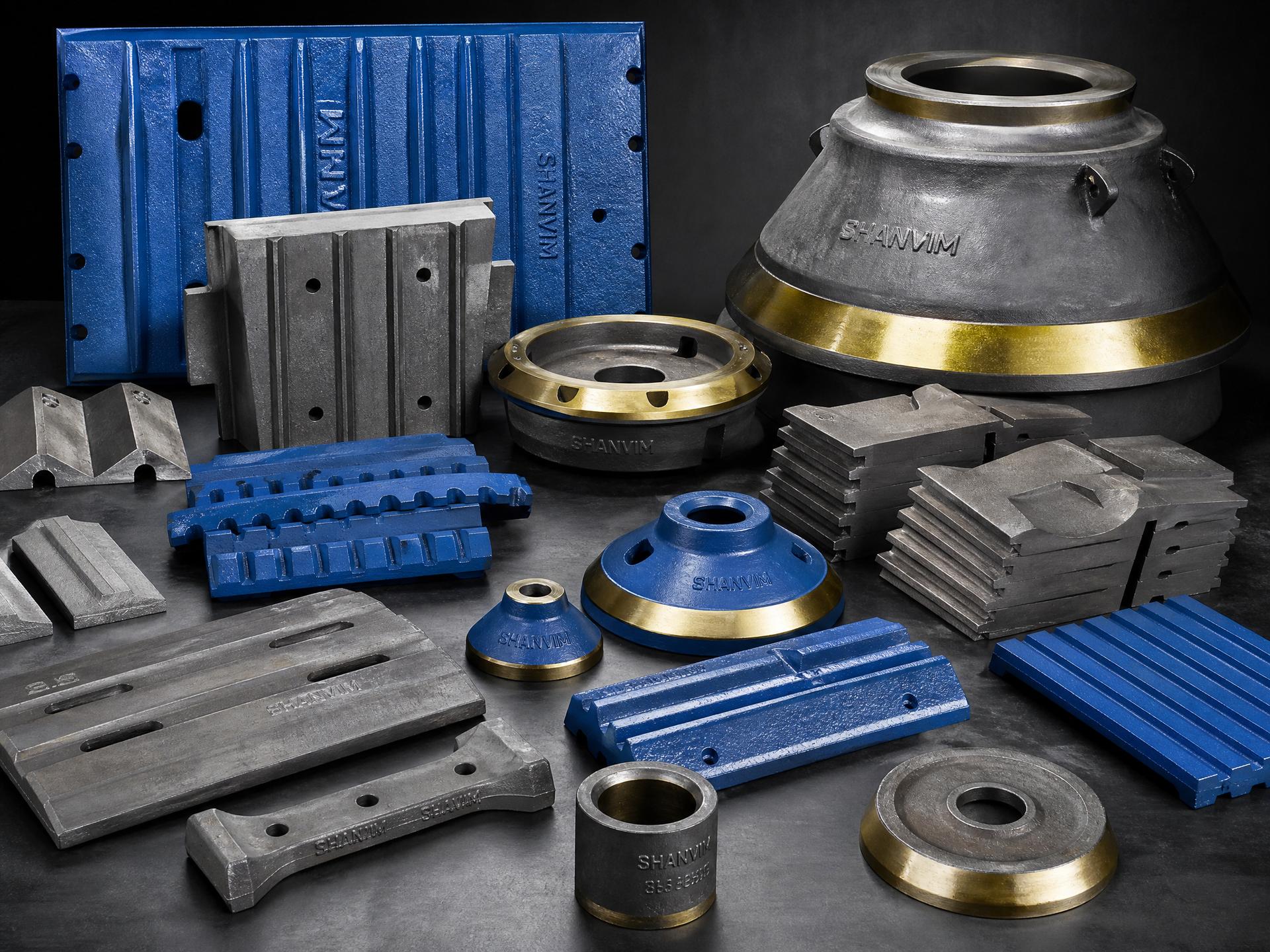
Mill liners serve two functions: protecting the mill shell from wear and imparting motion to the grinding charge. Liner design significantly affects grinding efficiency:
- High-Low Wave Liners — Standard design for most secondary and tertiary grinding applications
- Rib Liners — Suitable for fine grinding where media cataracting must be minimized
- Lifter Bars — Critical for primary grinding; lifter height and face angle affect charge trajectory
- Shell Liner Materials: Cr-Mo alloy steel (12–18% Cr) for abrasion-dominant environments; rubber liners for fine grinding and noise reduction
Ball Charge Management
The grinding media charge has the most direct impact on mill throughput and specific energy consumption:
- Ball size selection: Use Bond's formula — B = 25.4 × (F80/K)^0.5 × (ρs/Cs × Nc × D)^(1/3) — where F80 is feed size in microns
- Charge level: Optimal charge volume is typically 28–35% of mill volume
- Ball addition rate: Monitor power draw and adjust ball addition to maintain target charge level
- Ball quality: Forged steel balls outperform cast balls in most applications; verify hardness (HRC 58–65 for surface, 45–55 for core)
Operational Optimization Strategies
- Feed size control: Reduce F80 by 10% to improve mill throughput by 5–8%
- Pulp density optimization: Optimal slurry density is typically 65–75% solids by weight
- Water addition control: Maintain target slurry viscosity; excessive water reduces grinding efficiency
- Classifier efficiency: Improve cyclone efficiency to reduce recirculating load and increase fresh feed rate
SMT's Ball Mill Supply Capability
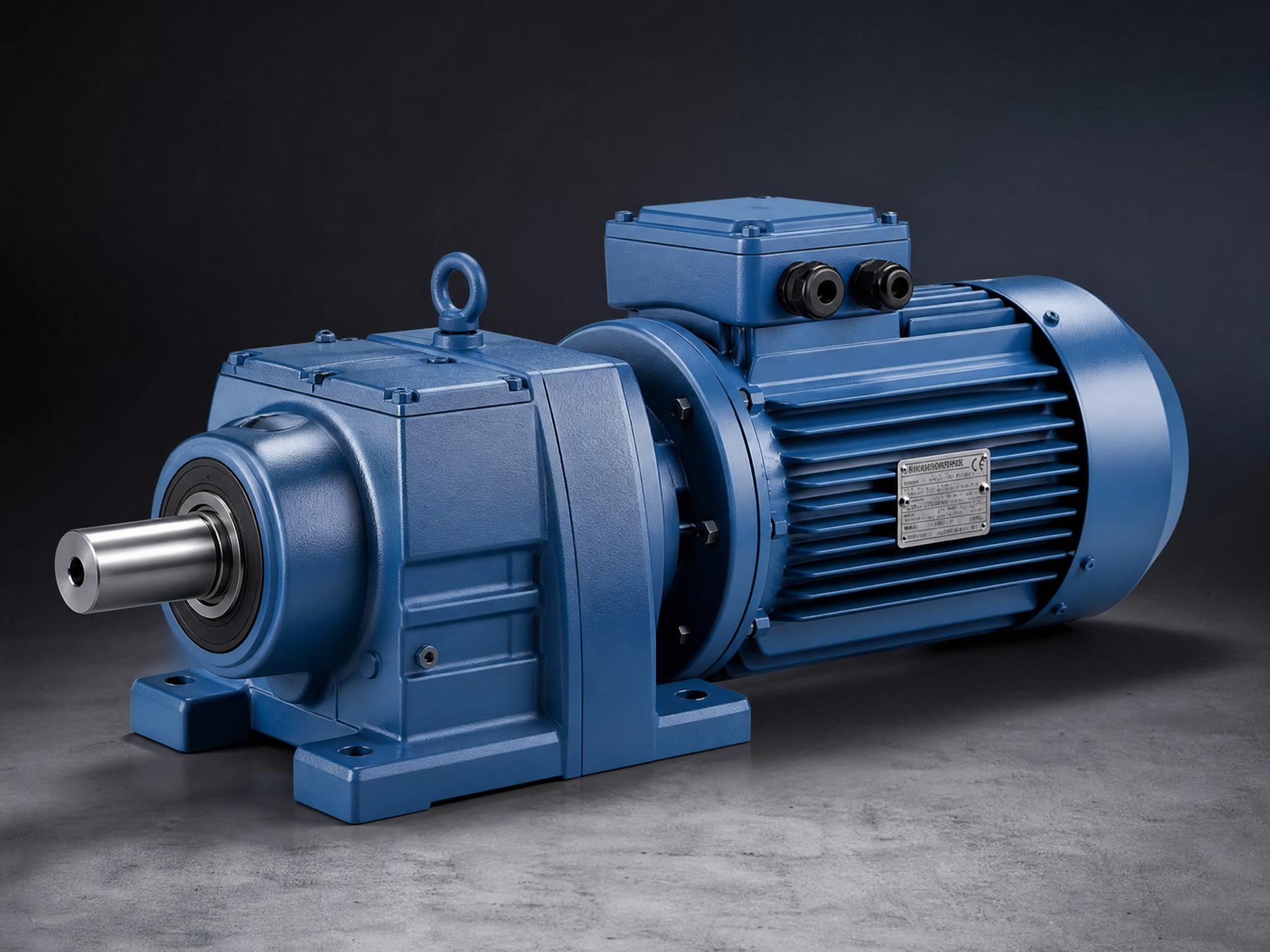
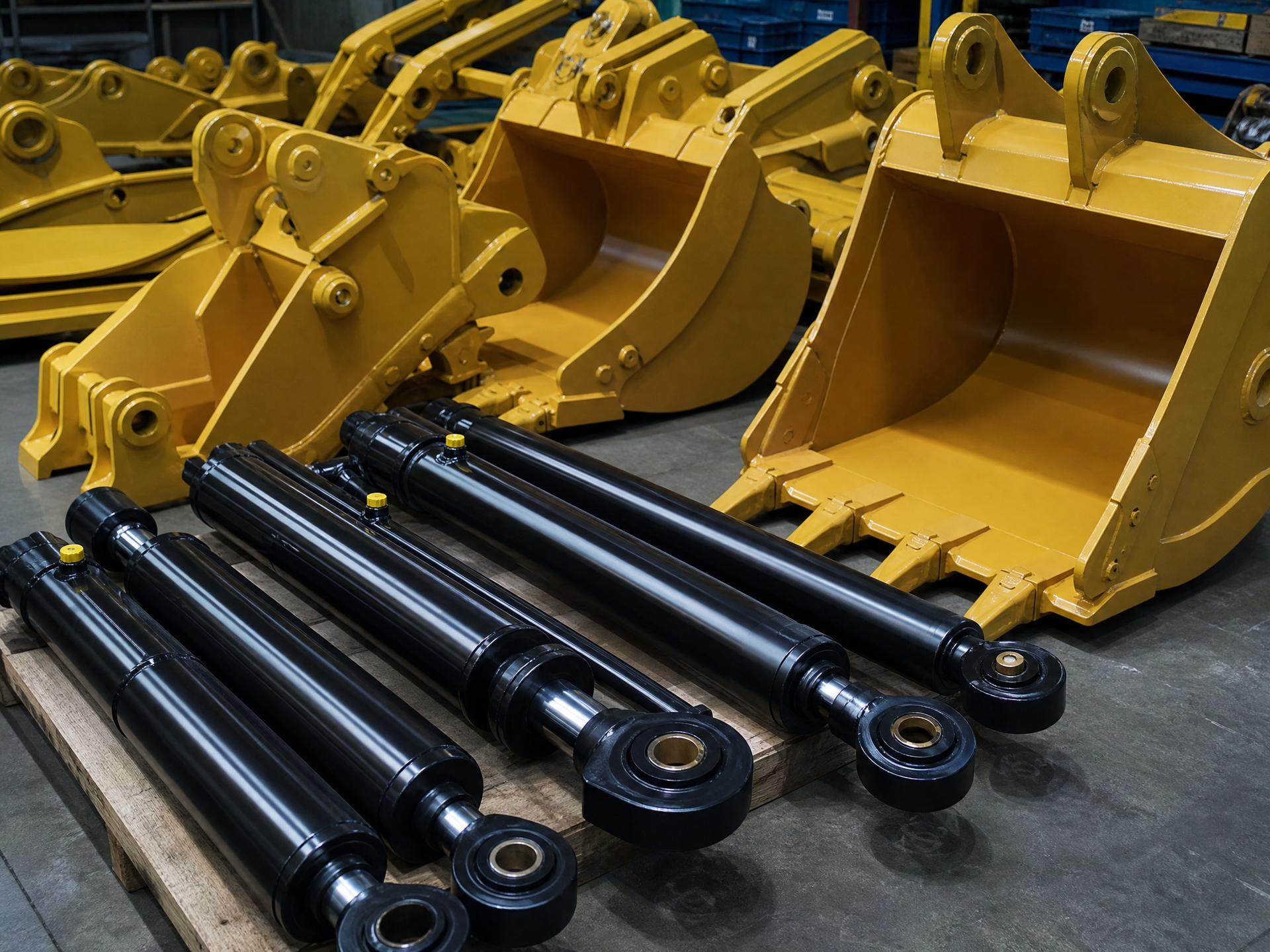
SMT supplies complete ball mills (0.5m to 8m diameter), replacement liners in Cr-Mo alloy steel or rubber, forged and cast grinding media, and spare parts for all major brands including CITIC, SINOMA, FLSmidth, and Metso. All wear components are supplied with full material certification (EN10204 3.1).
Ready to Source? Contact SMT Today
Our engineering team is available to discuss your specific requirements and provide a detailed technical and commercial proposal within 24 hours.
Send Us Your Inquiry →